Groundhog Insulation Pros LLC
NC's Local Trusted Insulation Experts!!
Limited Next-Day Inspections Available: Tap to Call





Basement Insulation
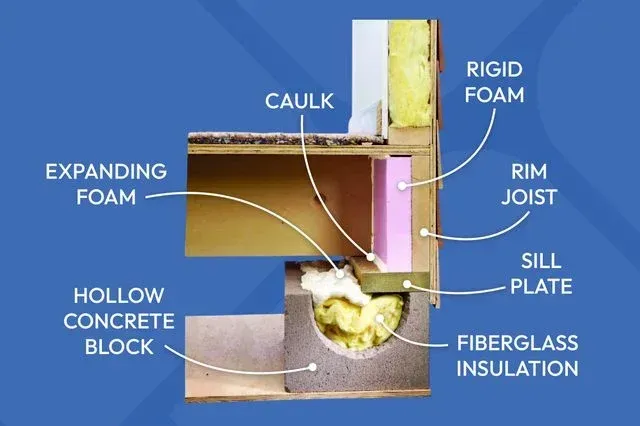
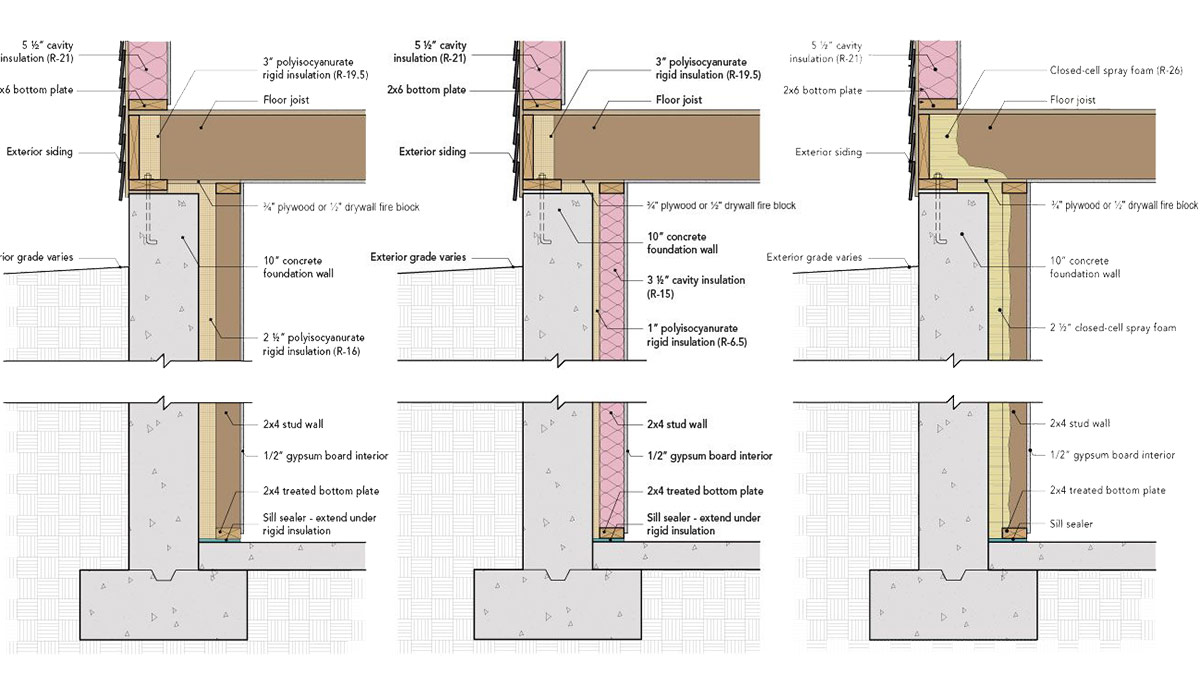
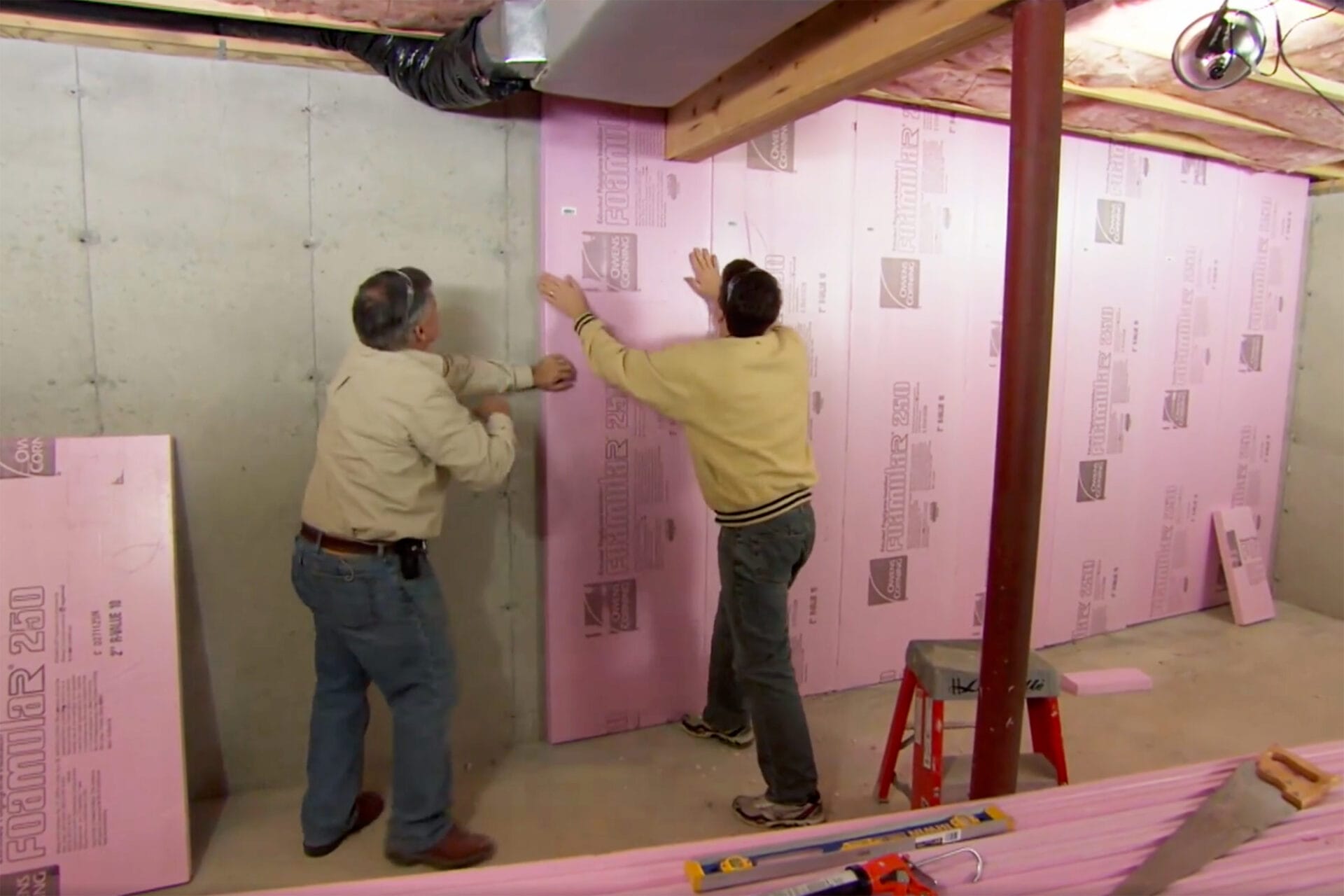
What Problems Basement Insulation Fixes
Basement insulation helps resolve cold lower levels, uncomfortable floors above the basement, and damp or clammy air. Homeowners often notice basements that are hard to heat, rooms above that feel cold, or increased humidity that makes the space uncomfortable for storage or living.
Why These Problems Happen
Basements are surrounded by concrete or masonry, which readily transfers cold from the ground into the home. Uninsulated foundation walls and rim joists allow heat loss and air leakage, while moisture from the surrounding soil can increase humidity. Without proper insulation and air control, basements become a constant source of energy loss and discomfort.
When Basement Insulation Is the Right Solution
Basement insulation is typically recommended when:
Basement areas feel cold year-round
Floors above the basement are uncomfortable
The basement is used for living space or storage
Moisture or humidity is present
In many cases, addressing rim joists and air leakage is just as important as insulating foundation walls.
How Groundhog Handles Basement Insulation
We begin with an inspection of the basement walls, rim joists, and overall conditions. Our team identifies heat loss areas, air leaks, and moisture concerns before selecting the appropriate insulation method. Installation is completed to improve thermal performance while supporting proper moisture control and long-term durability. Care is taken to ensure insulation integrates correctly with the home’s overall building envelope.
When applicable, we also explain how basement insulation works together with other energy efficiency upgrades and available rebate or incentive programs.
What Homeowners Typically Notice After
After proper basement insulation, homeowners commonly notice warmer basement spaces, more comfortable floors above, reduced drafts, and improved overall comfort throughout the home. Many also experience better energy efficiency as heat loss through the foundation is reduced.
Why Basement Insulation Estimates Can Differ
Basement insulation estimates can vary based on wall type, moisture conditions, accessibility, and the insulation method used. Our technicians thoroughly inspect each situation and often identify issues others may overlook, such as rim joist air leakage or moisture concerns. Addressing these factors upfront helps ensure the insulation performs correctly and lasts long term.
FAQs
Answers to Your Key Insulation Queries – We’ve Got You Covered!
What types of insulation materials do you use?
We use fiberglass, cellulose, spray foam, and mineral wool, chosen based on application needs.
How can insulation help reduce my energy bills?
Proper insulation helps maintain a constant temperature, reducing the workload on heating and cooling systems and lowering energy costs.
Is insulation important even in mild climates?
Absolutely, insulation is key in all climates to not only manage temperature and reduce energy usage but also to prevent moisture buildup and enhance soundproofing.
Can you provide insulation services for both new construction and renovations?
Yes, we cater to both new constructions and renovations. For new buildings, we integrate insulation with your construction schedule, and for renovations, we ensure minimal disruption.
How long does it typically take to install insulation?
The duration of installation depends on the size and scope of the project. Small residential projects might take a day, whereas larger or more complex commercial projects could take several days. We aim to work efficiently while ensuring top-quality installation.
Are your insulation materials environmentally friendly
We prioritize the use of eco-friendly and sustainable materials. Many of our options are made from recycled materials and are designed to have minimal environmental impact while providing maximum insulation efficiency.