Groundhog Insulation Pros LLC
NC's Local Trusted Insulation Experts!!
Limited Next-Day Inspections Available: Tap to Call





Air Sealing
What Problems Air Sealing Fixes
Air sealing addresses common comfort and efficiency issues caused by uncontrolled air movement. Homeowners often notice drafts, uneven temperatures between rooms, excessive dust, and higher-than-expected energy bills. These problems can persist even when insulation is present because air is still leaking in and out of the home.
Why These Problems Happen
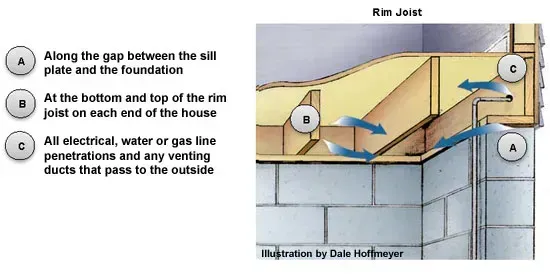
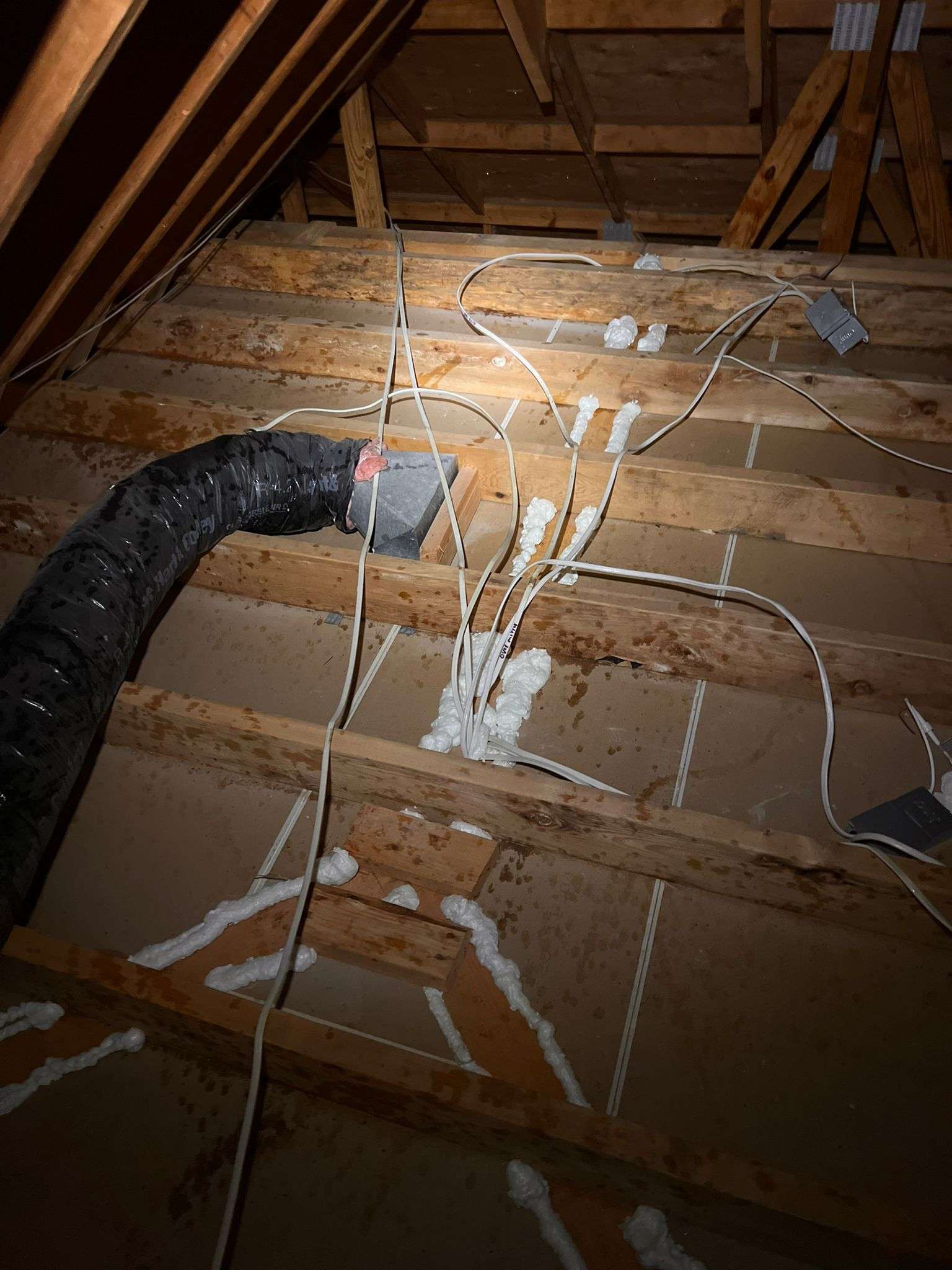
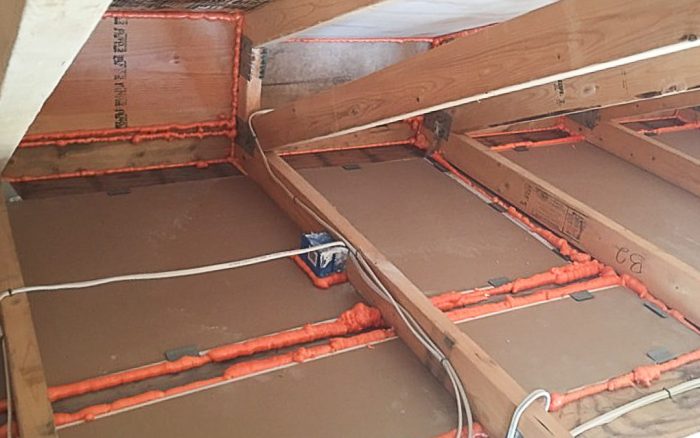
Most homes have gaps and openings that allow air to move freely between the inside and outside. These leaks commonly occur around attic penetrations, top plates, recessed lights, plumbing and wiring openings, attic hatches, and crawl space penetrations. Over time, normal settling and aging materials can increase air leakage, reducing comfort and insulation effectiveness.
When Air Sealing Is the Right Solution
Air sealing is typically recommended when:
Drafts are noticeable throughout the home
Rooms feel inconsistent in temperature
Energy bills remain high despite insulation
Dust or outside air enters easily
Air sealing is often most effective when completed before adding or upgrading insulation, allowing insulation to perform as intended.
How Groundhog Handles Air Sealing
We start with a detailed inspection to identify major air leakage points in the attic, crawl space, and other accessible areas. Our technicians seal gaps and penetrations using appropriate materials designed for long-term durability. The goal is to control airflow without trapping moisture or disrupting proper ventilation. All work is completed carefully to improve performance while maintaining the home’s overall airflow balance.
When applicable, we also explain how air sealing works together with insulation upgrades and energy efficiency improvements, including potential Duke Energy efficiency considerations.
What Homeowners Typically Notice After
After professional air sealing, homeowners commonly notice fewer drafts, more consistent indoor temperatures, reduced dust infiltration, and improved overall comfort. Many also experience better performance from existing insulation and HVAC systems as uncontrolled air movement is reduced.
Why Air Sealing Estimates Can Differ
Air sealing estimates can vary based on the number of leakage points, accessibility of the attic or crawl space, and the level of detail involved in the inspection. Our technicians thoroughly inspect each situation and often identify air leaks that others may overlook. Addressing these areas properly helps ensure lasting results and improved home performance.
Related Services
FAQs
Answers to Your Key Insulation Queries – We’ve Got You Covered!
What types of insulation materials do you use?
We use fiberglass, cellulose, spray foam, and mineral wool, chosen based on application needs.
How can insulation help reduce my energy bills?
Proper insulation helps maintain a constant temperature, reducing the workload on heating and cooling systems and lowering energy costs.
Is insulation important even in mild climates?
Absolutely, insulation is key in all climates to not only manage temperature and reduce energy usage but also to prevent moisture buildup and enhance soundproofing.
Can you provide insulation services for both new construction and renovations?
Yes, we cater to both new constructions and renovations. For new buildings, we integrate insulation with your construction schedule, and for renovations, we ensure minimal disruption.
How long does it typically take to install insulation?
The duration of installation depends on the size and scope of the project. Small residential projects might take a day, whereas larger or more complex commercial projects could take several days. We aim to work efficiently while ensuring top-quality installation.
Are your insulation materials environmentally friendly
We prioritize the use of eco-friendly and sustainable materials. Many of our options are made from recycled materials and are designed to have minimal environmental impact while providing maximum insulation efficiency.